
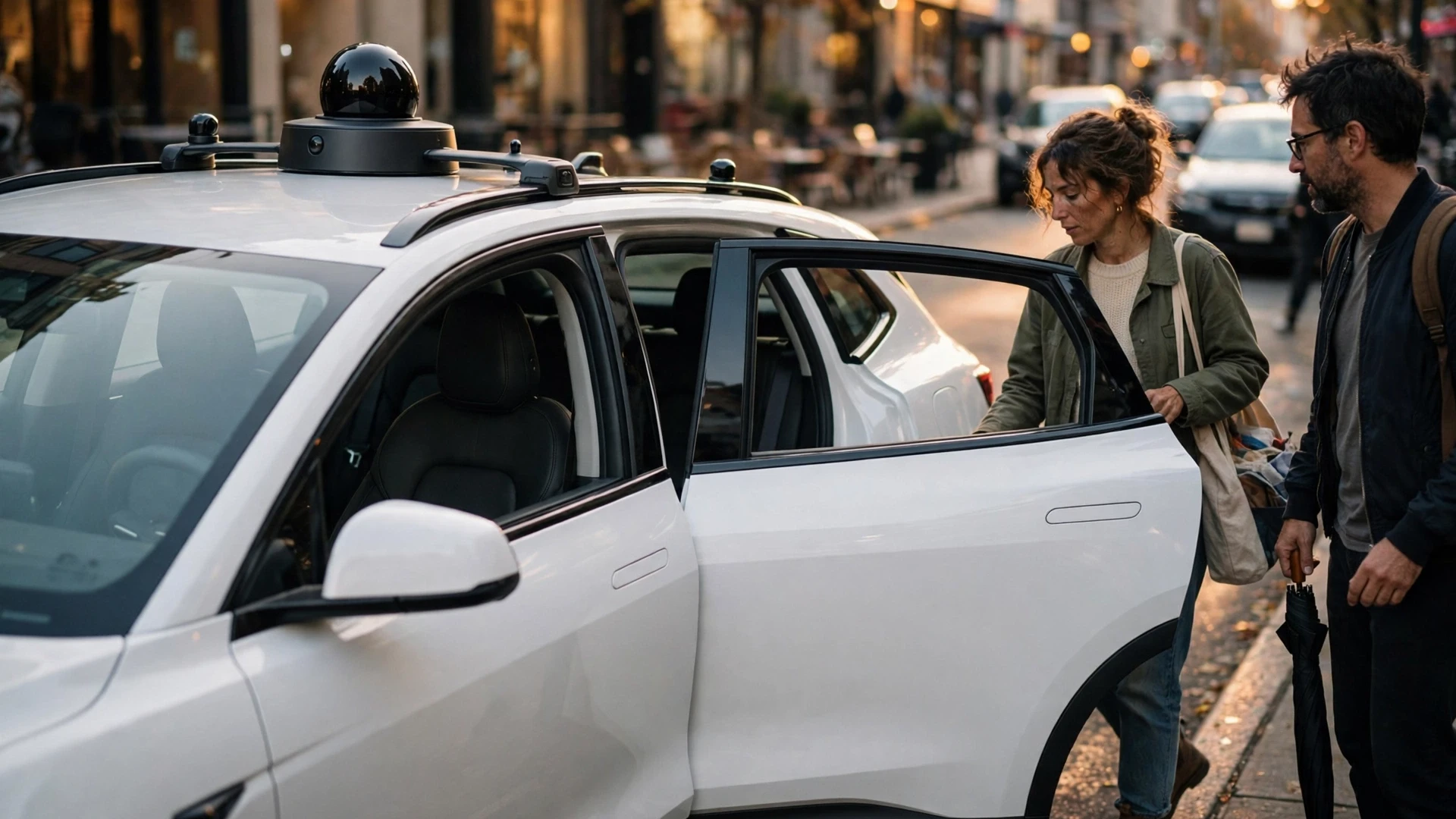
Alphabet’s Waymo announced on October 8, 2026 that it has closed a $5 billion loan, its first-ever debt financing after years of raising nothing but equity. Goldman Sachs served as the sole lead bookrunner, and the lender list reads like a who’s who of American finance: Blackstone, PIMCO, Sixth Street, Apollo, Blue Owl, Capital Group, Loomis Sayles, T. Rowe Price, Diameter Capital Partners, Franklin Templeton, Fidelity Management & Research, HPS Investment Partners, and Oaktree.
That sentence matters more than it sounds. Equity investors bet on a vision. Lenders bet on a business plan they can underwrite, model, and stress-test. When the likes of PIMCO and Oaktree extend $5 billion in credit to a robotaxi operator, they are not funding a science project. They are funding expansion.
A loan, not another funding round
Waymo has never touched debt before. Its fundraising history is all equity: $3.2 billion in 2020, $2.5 billion in 2021, $5.6 billion in its 2024 Series C, and a monster $16 billion round in February 2026 that valued the company at $126 billion and brought in Dragoneer, DST Global, and Sequoia. Alphabet remains the majority owner.
The move into debt is a maturity signal. Companies typically borrow when they have predictable cash flows, or at least cash flows predictable enough to satisfy a credit committee. Waymo now operates in 15 US markets, with testing programs underway in London and Tokyo. A company spokesperson said the loan gives Waymo “financial flexibility” to “capitalize on the significant opportunities ahead,” pointing to improving commercial demand and road-safety outcomes. Read between the lines: the rides are real, the demand is growing, and the balance sheet can now carry debt.
What $5 billion buys across America
The money is earmarked for expansion in existing US cities and entry into new markets across the US, Europe, and Japan. For American riders, the most immediate effect will be felt in the cities where Waymo already runs: more cars, shorter waits, bigger service areas. Robotaxi economics improve with density, and density comes from scale. Five billion dollars buys a lot of scale.
New US markets are the next chapter. Waymo did not name them, but the pattern of the last two years is instructive: the company has been moving steadily from coastal tech hubs into Sun Belt and Midwest metros where regulators and riders have been welcoming. Each new city is a multi-year commitment – mapping, depot infrastructure, local hiring, partnerships with airports and venues. The loan structure, rather than equity, suggests Waymo expects those investments to start paying for themselves.
The quiet US jobs engine inside the robotaxi boom
Here is the angle most coverage misses: every robotaxi creates American jobs that did not exist a decade ago. Fleet operations centers staffed around the clock. Vehicle maintenance technicians. Mapping specialists. Charging infrastructure crews. Customer-support teams. The cars may drive themselves, but the system around them is deeply human.
As Waymo’s fleets grow across the country, those jobs follow. Cities that win robotaxi service get a small but real slice of a new industrial sector: depot leases, maintenance facilities, operations hiring. It is the kind of blue-collar-plus-tech employment mix that state economic development offices dream about, and it is happening without a single factory ribbon-cutting.
America’s lead in the global race
There is a bigger story here about American technological leadership. While rival robotaxi programs in China and elsewhere advance with heavy state backing, Waymo is scaling on commercial terms, borrowing from private lenders against the strength of its operations. That is the American model working as intended: private capital, commercial discipline, and a product people actually use.
The $126 billion valuation from February already made Waymo one of the most valuable private companies on earth. The $5 billion loan adds a new chapter: the moment Wall Street’s credit desks decided driverless cars are not a gamble but a business. For American cities, riders, and workers, that decision is about to show up at the curb.
What to watch next
Watch the announcements in the coming months for new-city launches and bigger service zones in existing markets. Watch the lender behavior, too: if this loan performs, more debt will follow, and debt is the cheapest fuel for fleet expansion. The race to put driverless cars in every major American metro just got a $5 billion tailwind – and the company leading it is flying an American flag.


















Be First to Comment