
America’s Food Culture Meets Sweden’s Gold Standard
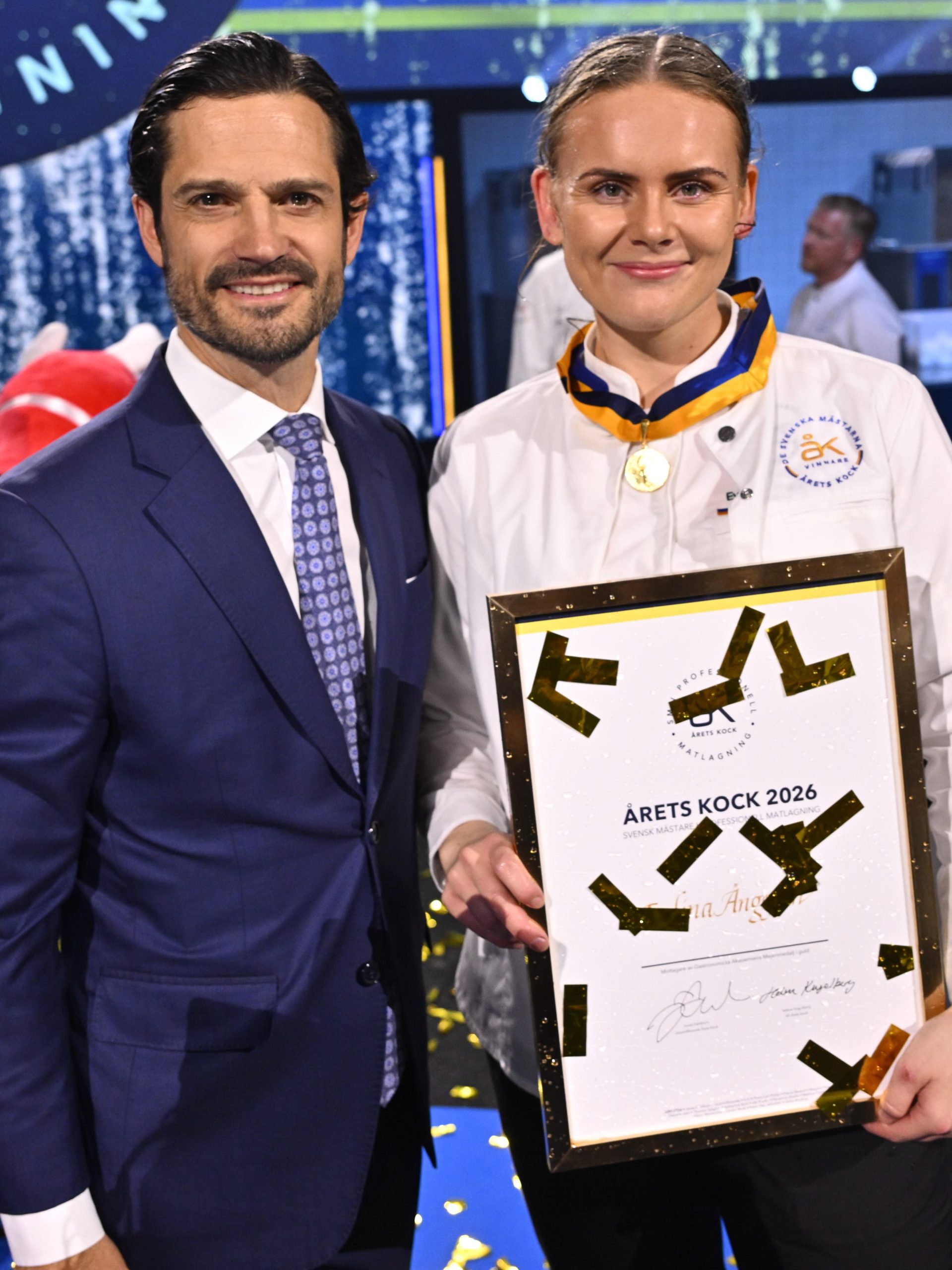
There is a quiet competition running beneath the surface of global food culture: which country takes its cooking most seriously? On October 1, Sweden made a strong case. At Annexet in Stockholm, Evelina Änggren of Mölnlycke was crowned Chef of the Year 2026 – Årets Kock – after three demanding final rounds against five of the nation’s best. Prince Carl Philip, the competition’s patron, presented the framed diploma and the Gastronomic Academy’s gold dairy medal on its blue-and-yellow ribbon as gold confetti fell. It was a national celebration of craft, and it holds a mirror up to America’s own food moment.
The United States has never been more obsessed with food. Cooking shows dominate streaming, restaurant openings make headlines, and chefs are cultural figures. But Sweden does something America rarely does: it treats professional cooking as a national institution worthy of royal patronage and rigorous championship. The prince did not just hand over a prize; he served on the jury, tasting and deliberating. Imagine that level of seriousness applied to an American culinary championship.
What a Real Championship Looks Like
The Swedish format is instructive. Six finalists, three rounds, judged on craft, creativity and performance under pressure – no gimmicks, no audience votes, no manufactured drama. The drama comes from the cooking itself. That is a model worth studying, because the skills it tests are exactly the skills that make restaurants great: consistency, imagination, composure.
American food culture could use more of that institutional seriousness. We celebrate chefs brilliantly – the U.S. turns cooks into celebrities faster than any country on Earth – but we invest less in the structures that produce them. Culinary schools, apprenticeships, competitions with real standards: these are the unglamorous foundations of a great food nation. Sweden builds them; America should take notes.
The Recipe for Excellence
There is a recipe behind every high-performing culture, whether in conservation or in cuisine. Researchers recently identified the recipe behind conservation’s bright spots – and the ingredients will sound familiar to anyone who has worked a professional kitchen: clear standards, sustained effort, respect for the fundamentals. Excellence, it turns out, follows similar rules everywhere.
Sweden’s culinary success also reflects a culture that values craft labor. In a country where a prince tastes your food before you get the medal, cooking is not a fallback career – it is a calling. That cultural respect translates into better training, better ingredients, better restaurants. American kitchens are full of extraordinary talent; giving that talent the institutional respect Sweden gives its chefs would only make the country’s food better.
A Golden Standard Worth Importing
None of this diminishes America’s food achievements – this country’s dining scene is the most dynamic on the planet. But dynamism plus institutions is how you build something lasting. The image from Stockholm – Änggren in her whites with the competition emblem on her sleeve, gold medal gleaming, diploma in hand, a prince at her side – represents a national commitment to culinary excellence that transcends trends.
So congratulations to Evelina Änggren, Chef of the Year 2026, and to Sweden for knowing how to honor its best. America’s food culture is watching, learning, and – in its own exuberant way – already planning the next course. In a nation where even medicine keeps getting smarter, as a new once-a-month treatment approval showed this week, the appetite for getting better at what matters has never been stronger. Sweden just showed us what the gold standard looks like.
Building the Next Generation
Every championship is also a classroom. The six finalists who stood on that Stockholm stage will spend the coming year as the most-watched young chefs in Sweden, and their techniques will be studied, copied and taught. That is how a food culture levels up: not through one winner, but through the visible standard the competition sets for everyone watching. American culinary schools would do well to screen the finals.
Photo: Anders Wiklund/TT / Kungahuset.





























Be First to Comment